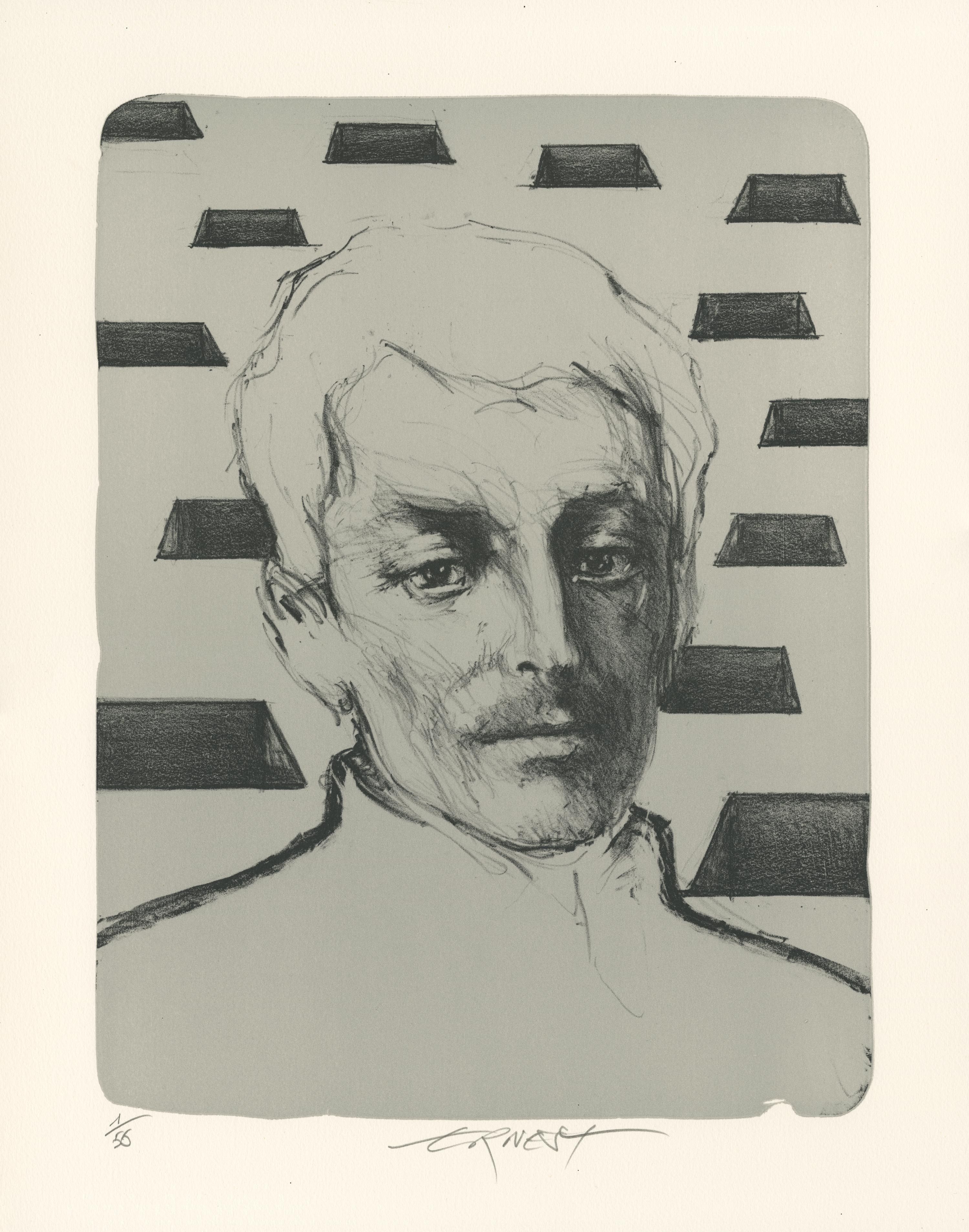
Ernest Pignon-Ernest (Ernest Pignon, known as)
Born in Nice in 1942.
Lives and works in Paris
Ernest Pignon-Ernest is considered the pioneer and initiator of urban art, or street art, a practice he has been involved in since the 1960s. His first intervention took place in 1966 on the Albion plateau, where he protested against nuclear power by stenciling photos of Hiroshima taken after the explosion. In 1971, for the anniversary of the Commune, he took over the sites of the last Parisian barricades with life-size silkscreen prints of recumbent figures. He then made silkscreen prints and black chalk drawings, which he replicated and pasted on walls, doors, staircases, etc., in places and cities around the world where he exhibited his political and sociological series or those dedicated to the artists, writers, poets, and filmmakers who were his references. Photographs preserve the traces of these ephemeral inscriptions. In 2015, his giant-format Portraits of the Four Resistance Fighters Entering the Pantheon were hung at the top of the Pantheon in Paris. His work has been exhibited all over the world. In 2022, the FHEL is dedicating a retrospective to him. He was elected to the Académie des Beaux-Arts in 2021.
Ernest Pignon-Ernest said: “I relate my images to the colors of a wall. I am like a painter composing at that moment. When I work in the city, I share history, experiences, symbolism. All of that is in my palette. So when I arrive, I have something in common with people.”
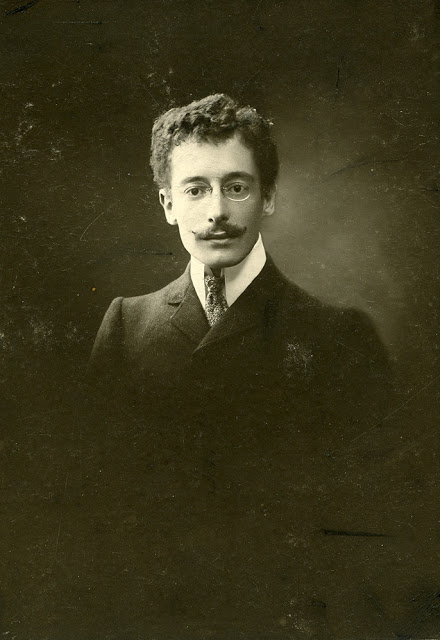
making of VICTOR SEGALEN, 2022 - Ernest PIGNON-ERNEST (Ernest Pignon, dit)
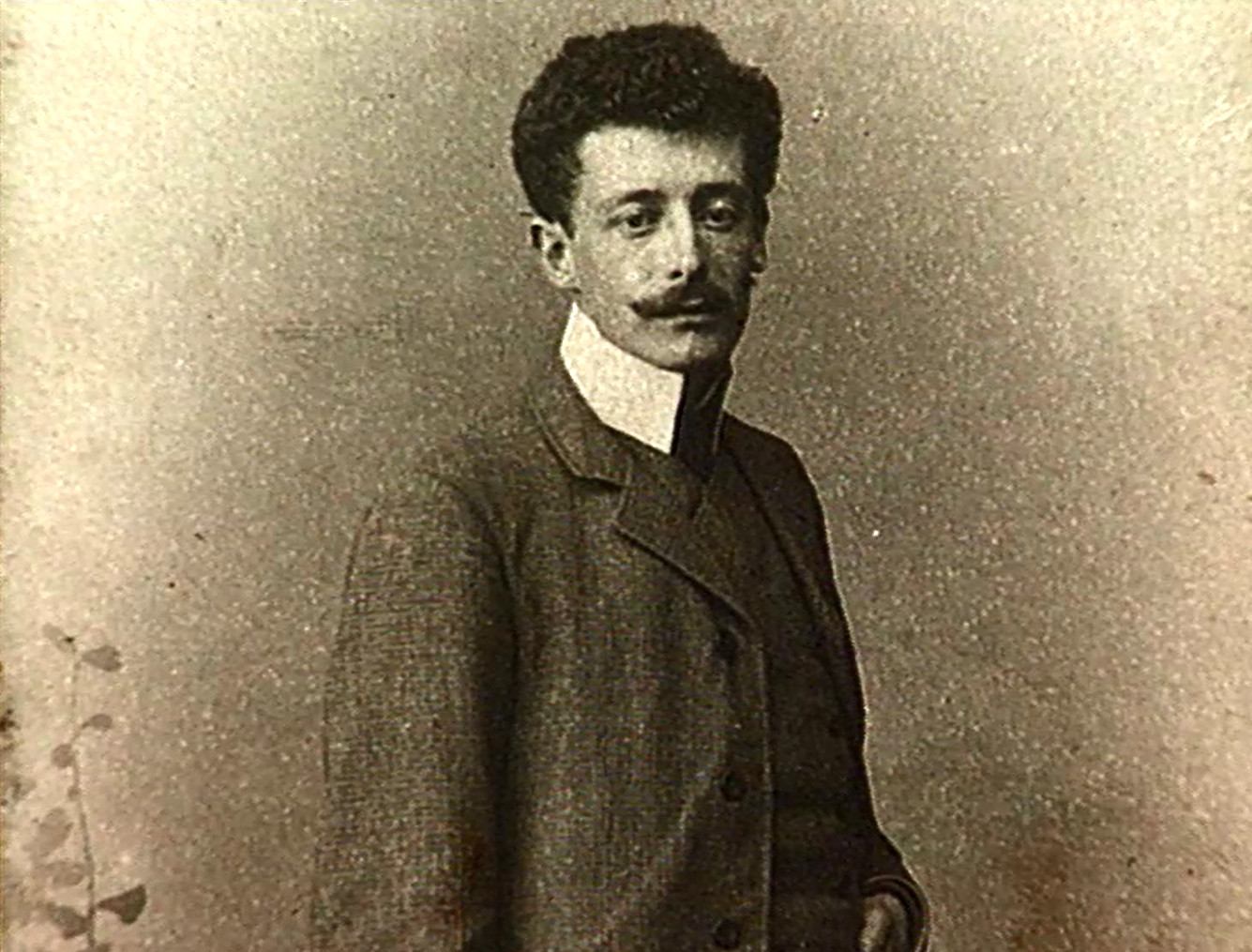
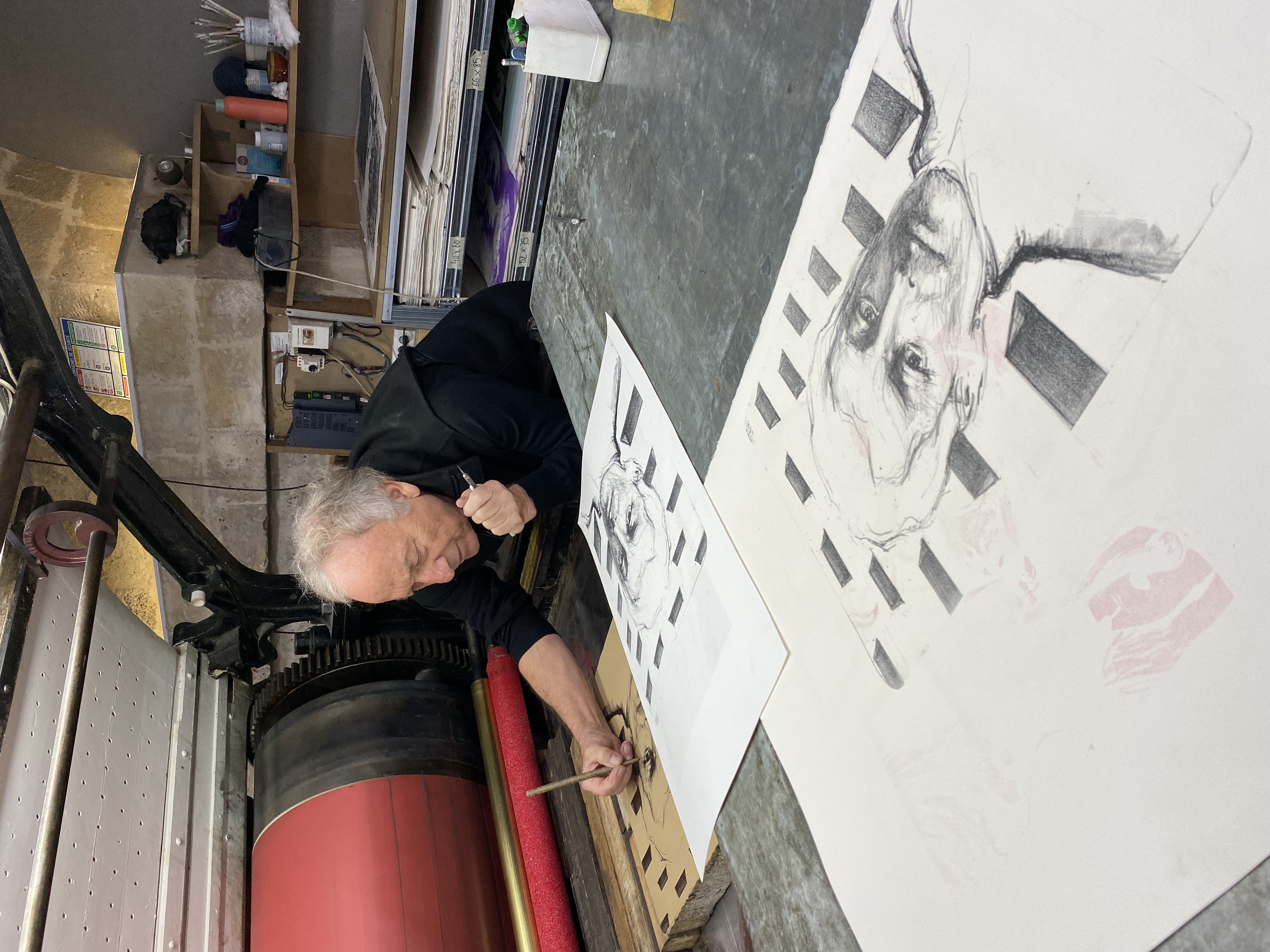
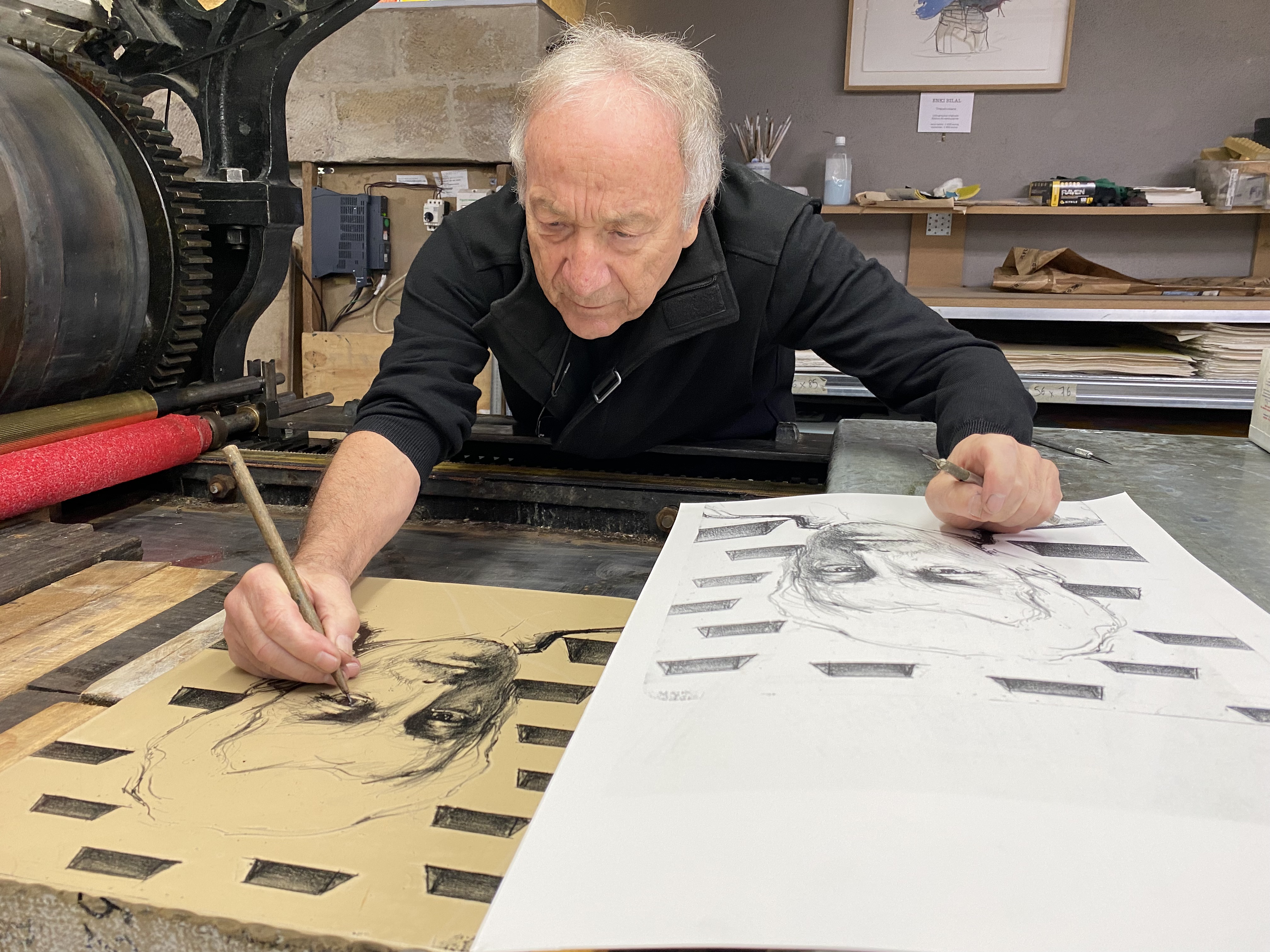
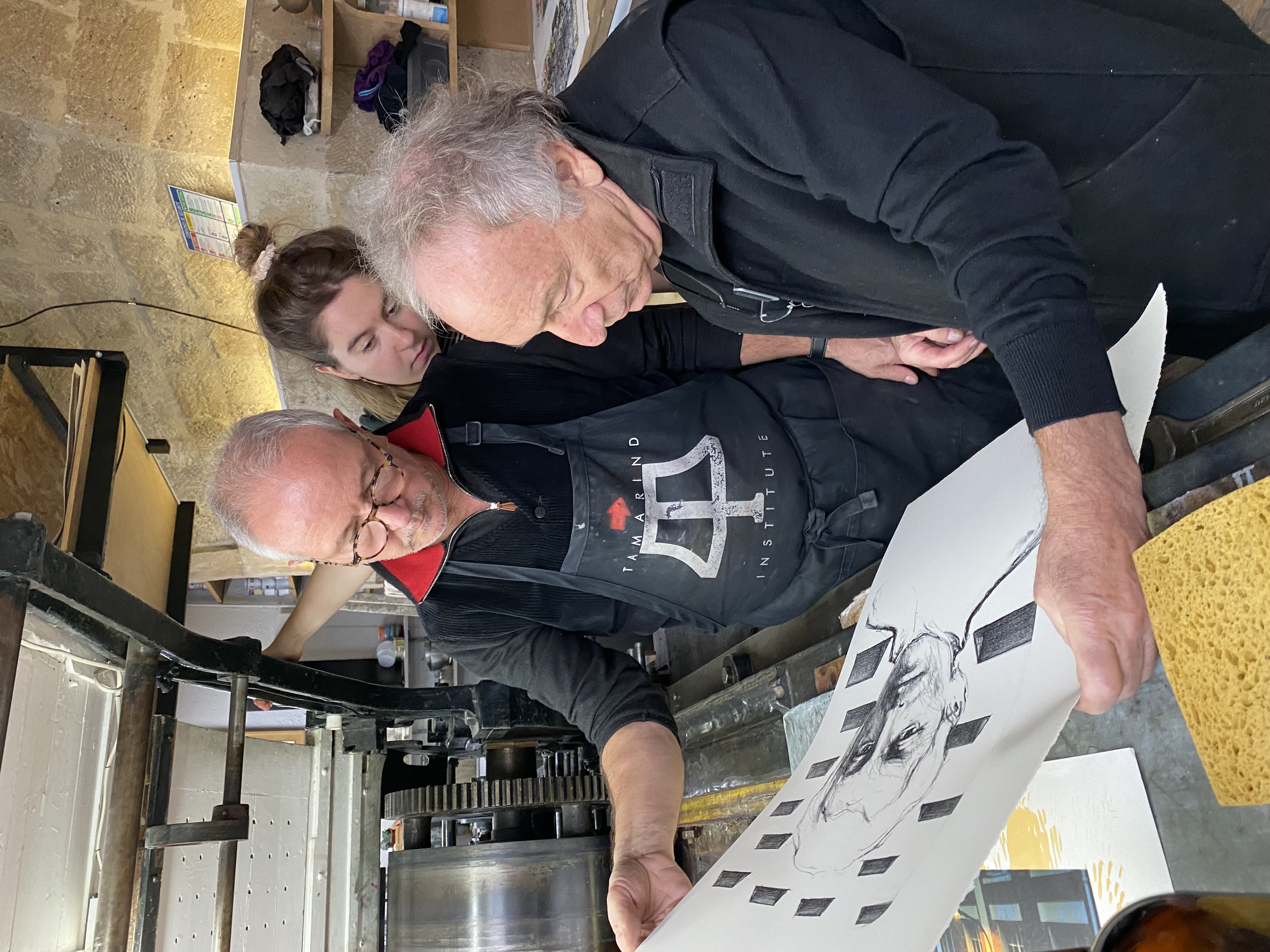
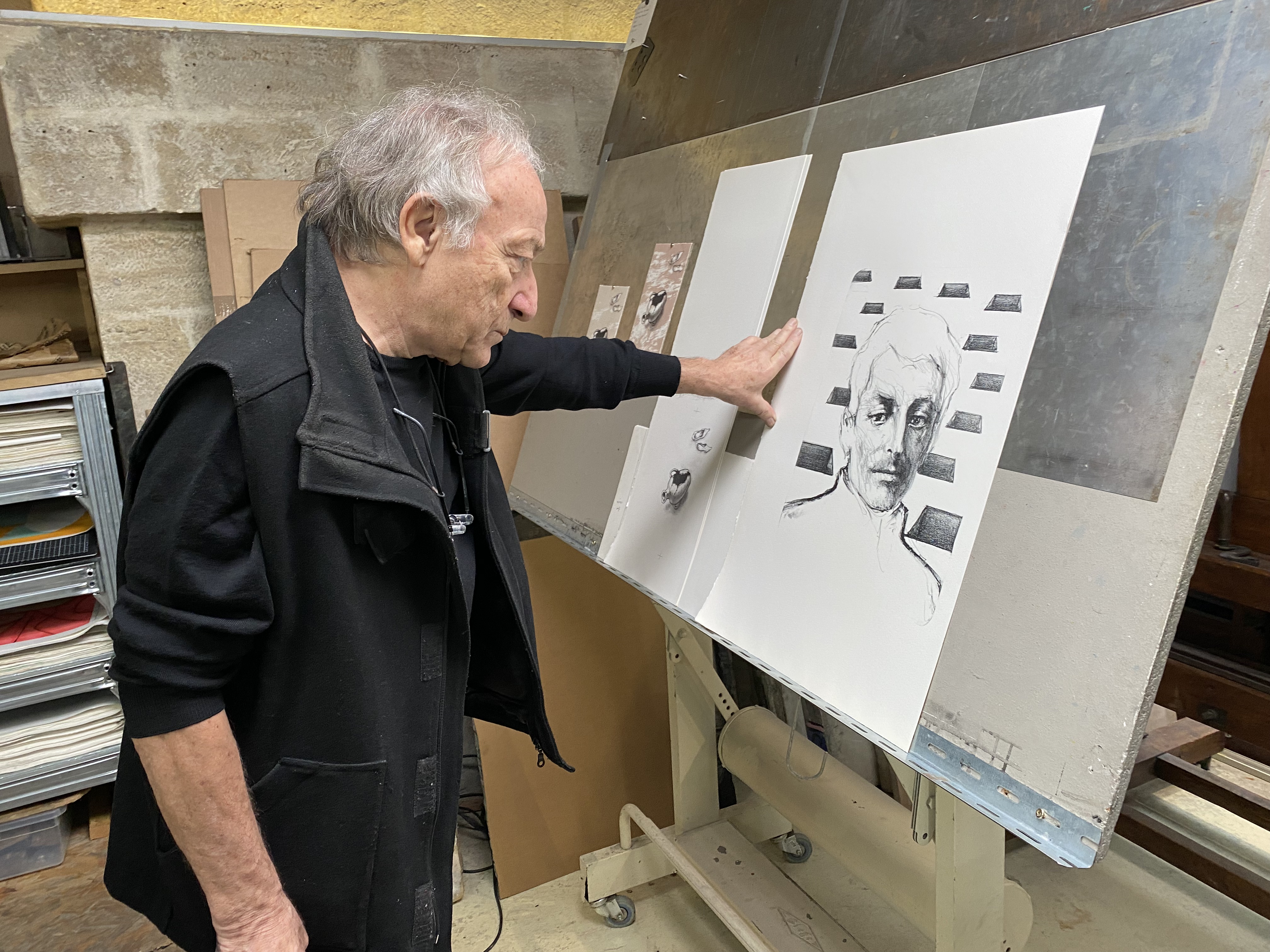
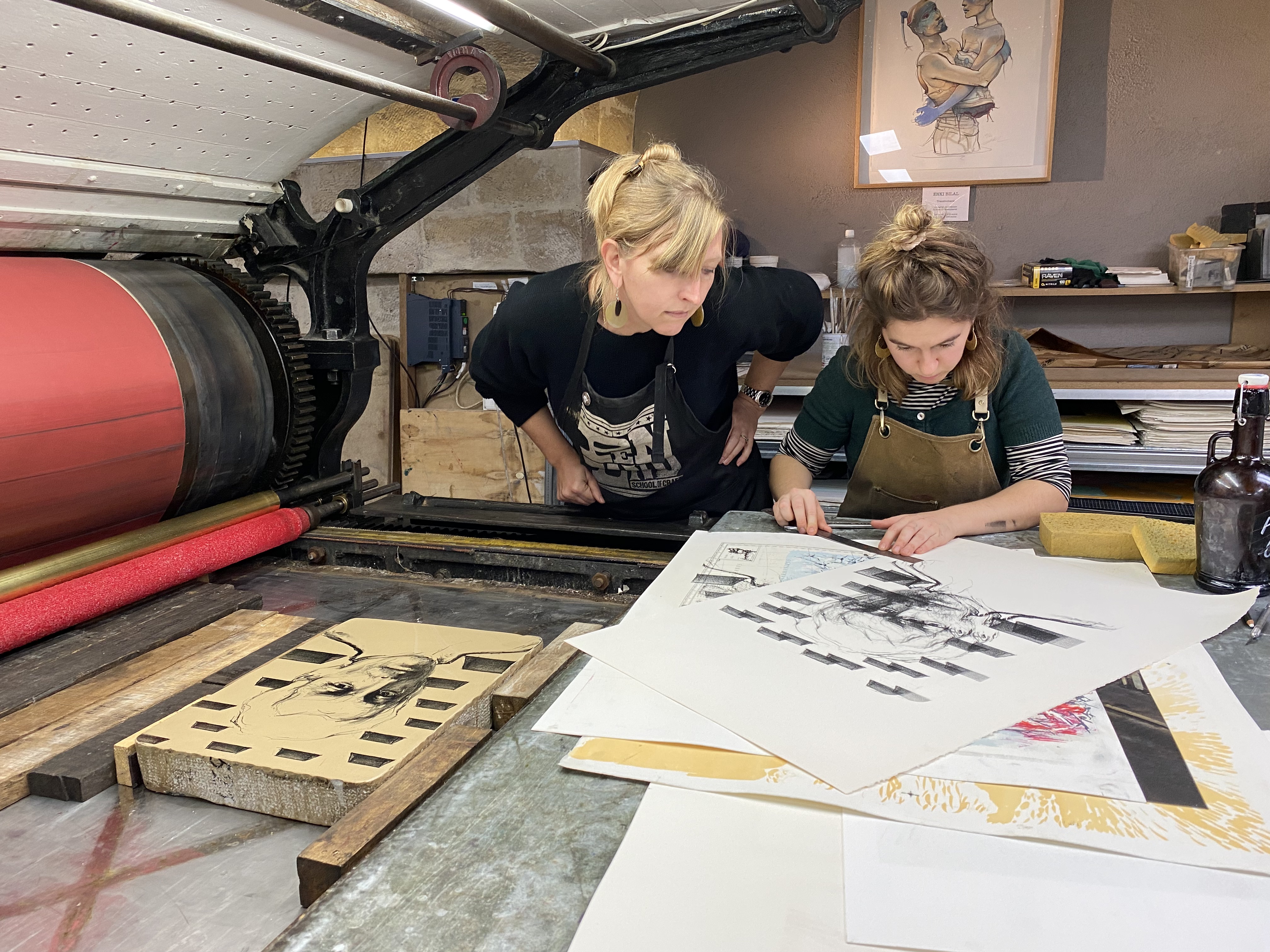
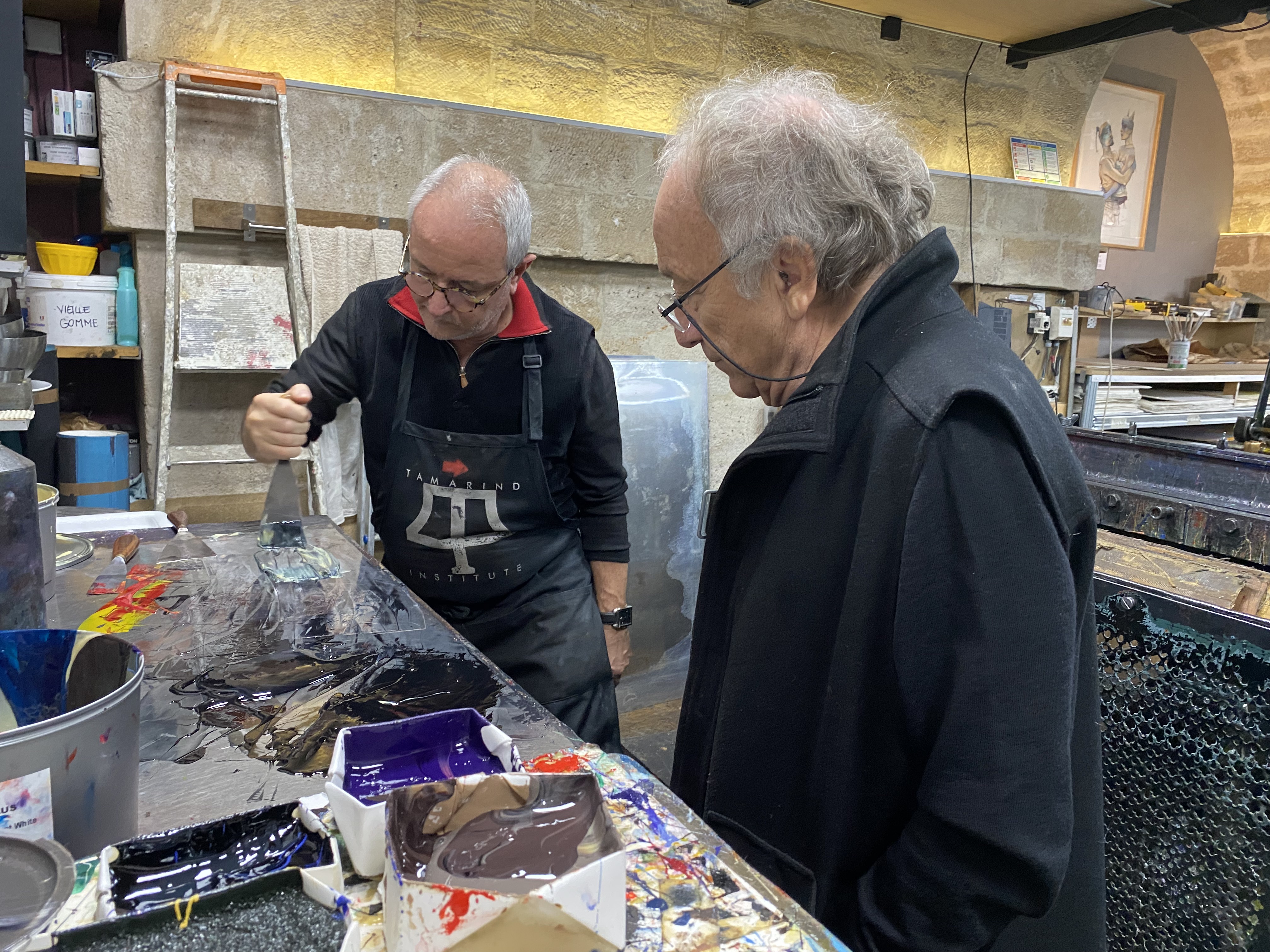
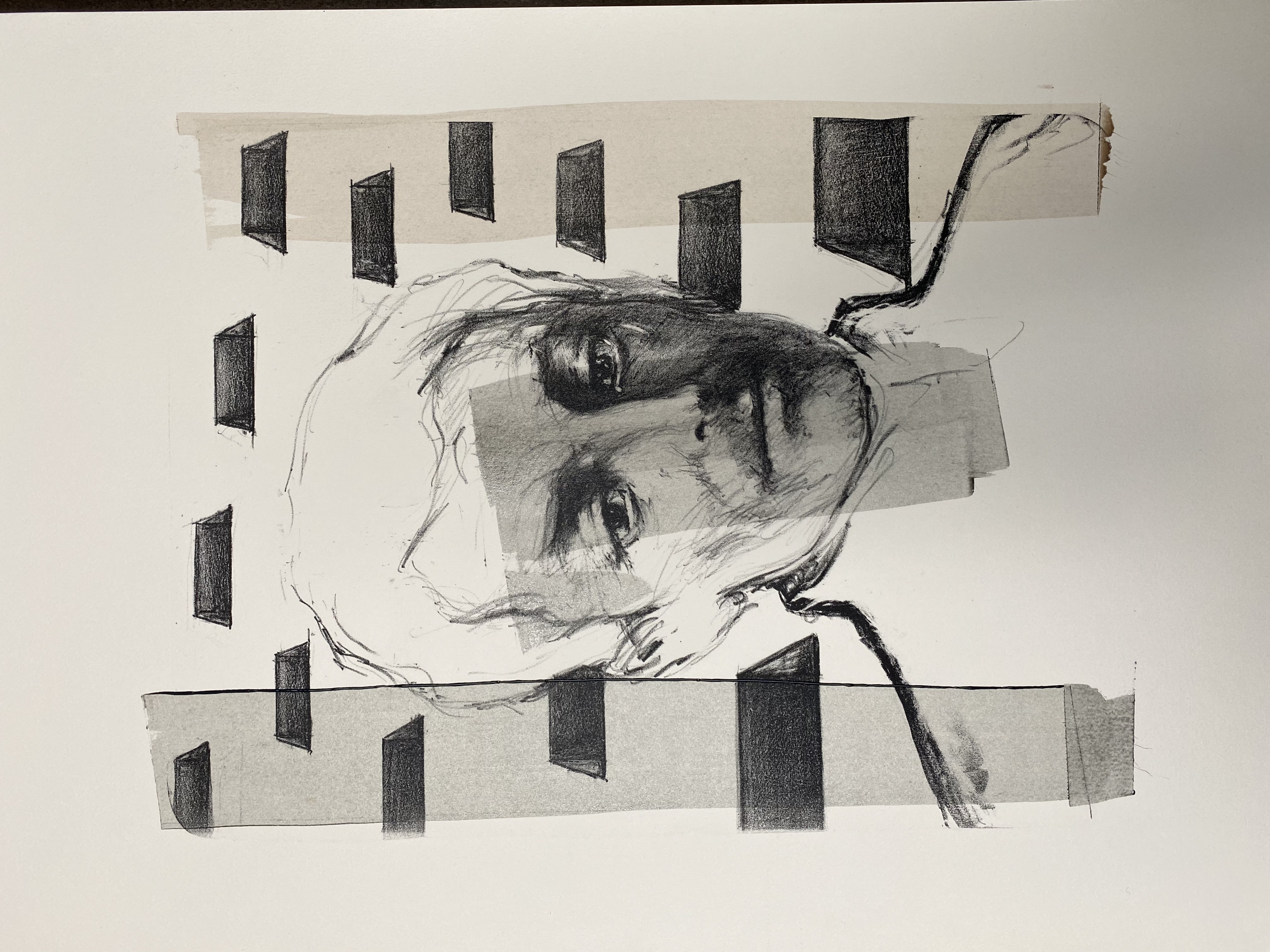
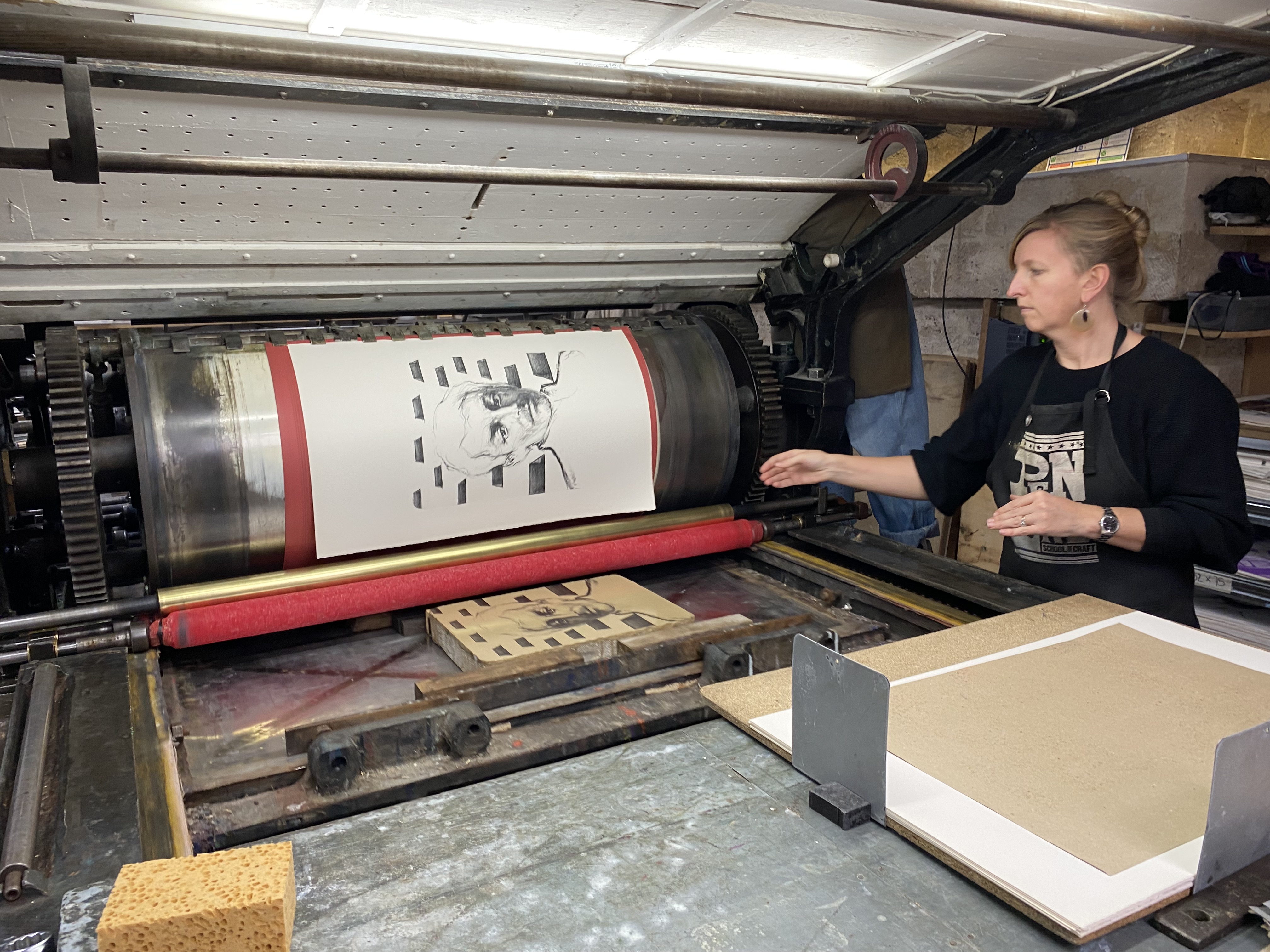
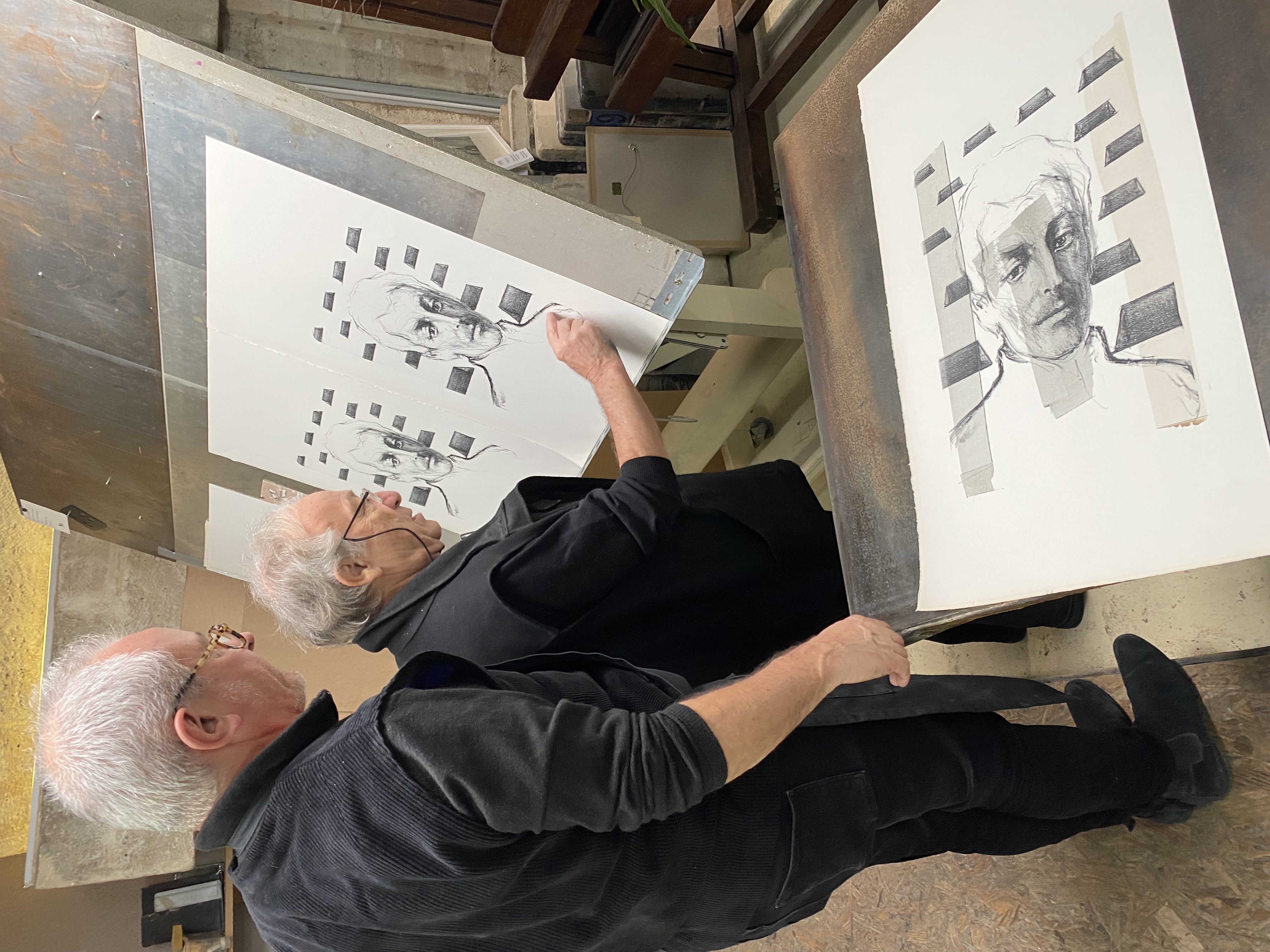
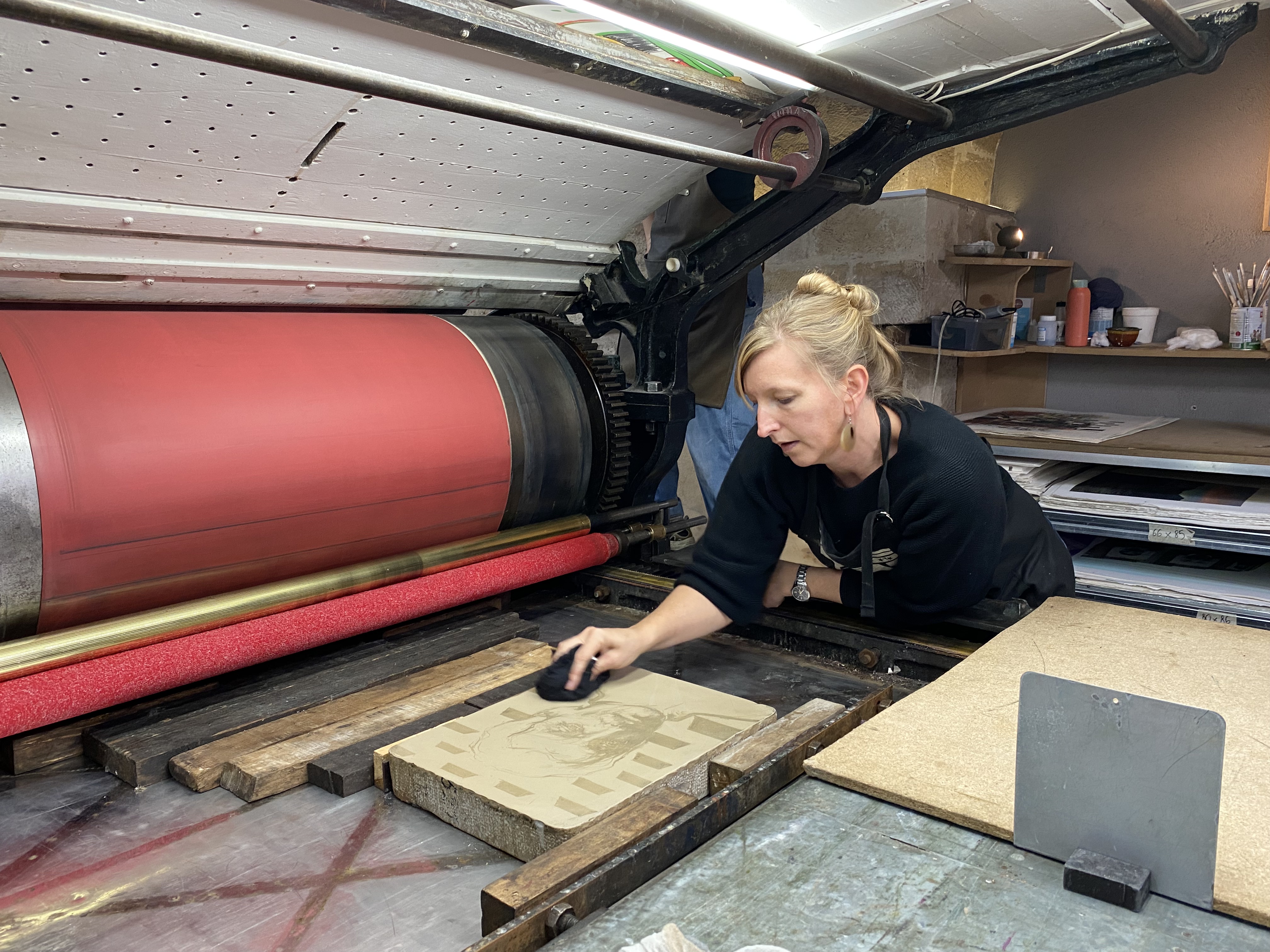
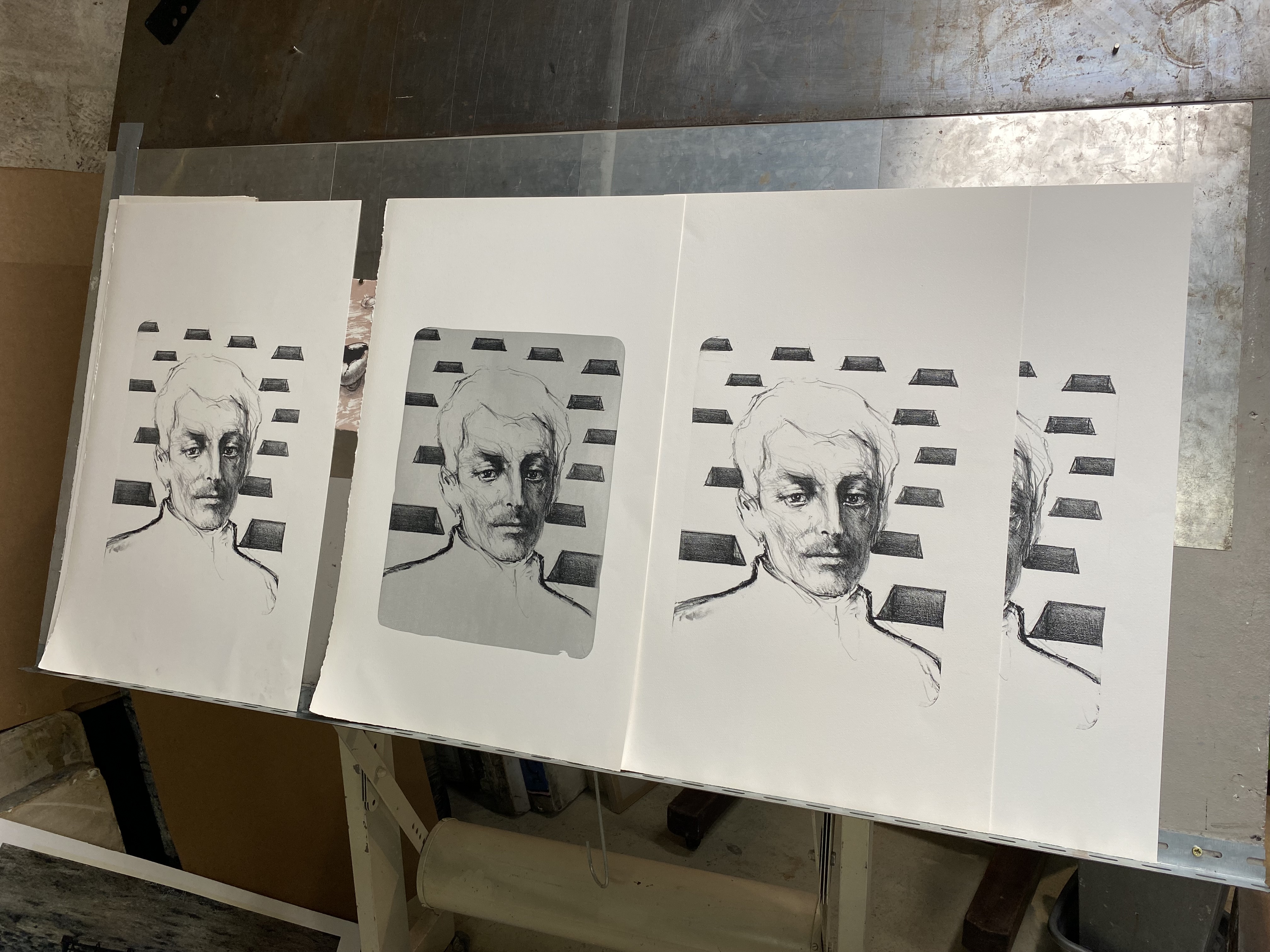
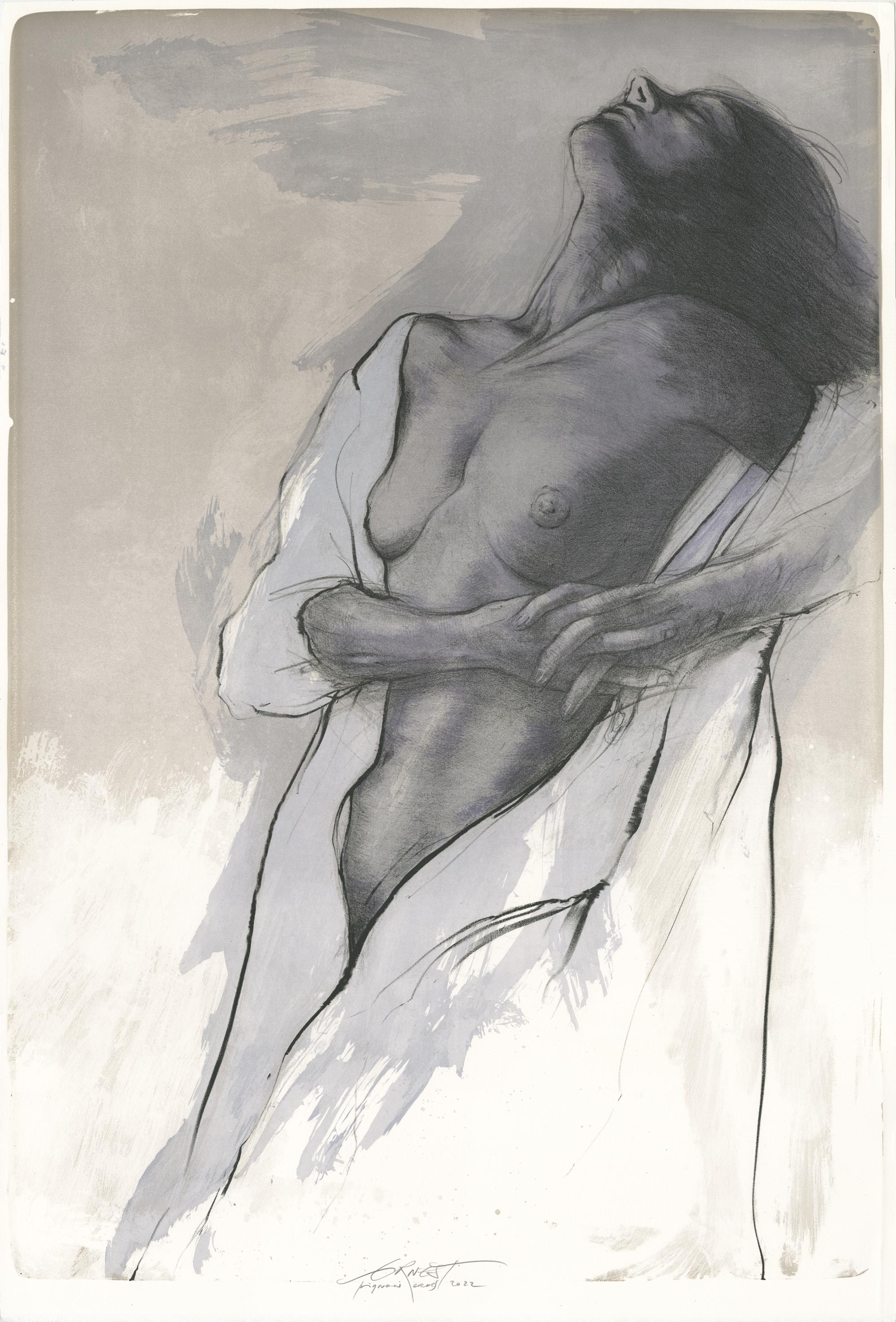
Lithographie originale en 7 couleurs sur papier Arches 400gr
Edition numérotée sur 60 exemplaires
47.24 x 31.1 in (120 x 79 cm)
Imprimée sur les presses de l'atelier Stéphane Guilbaud, Paris
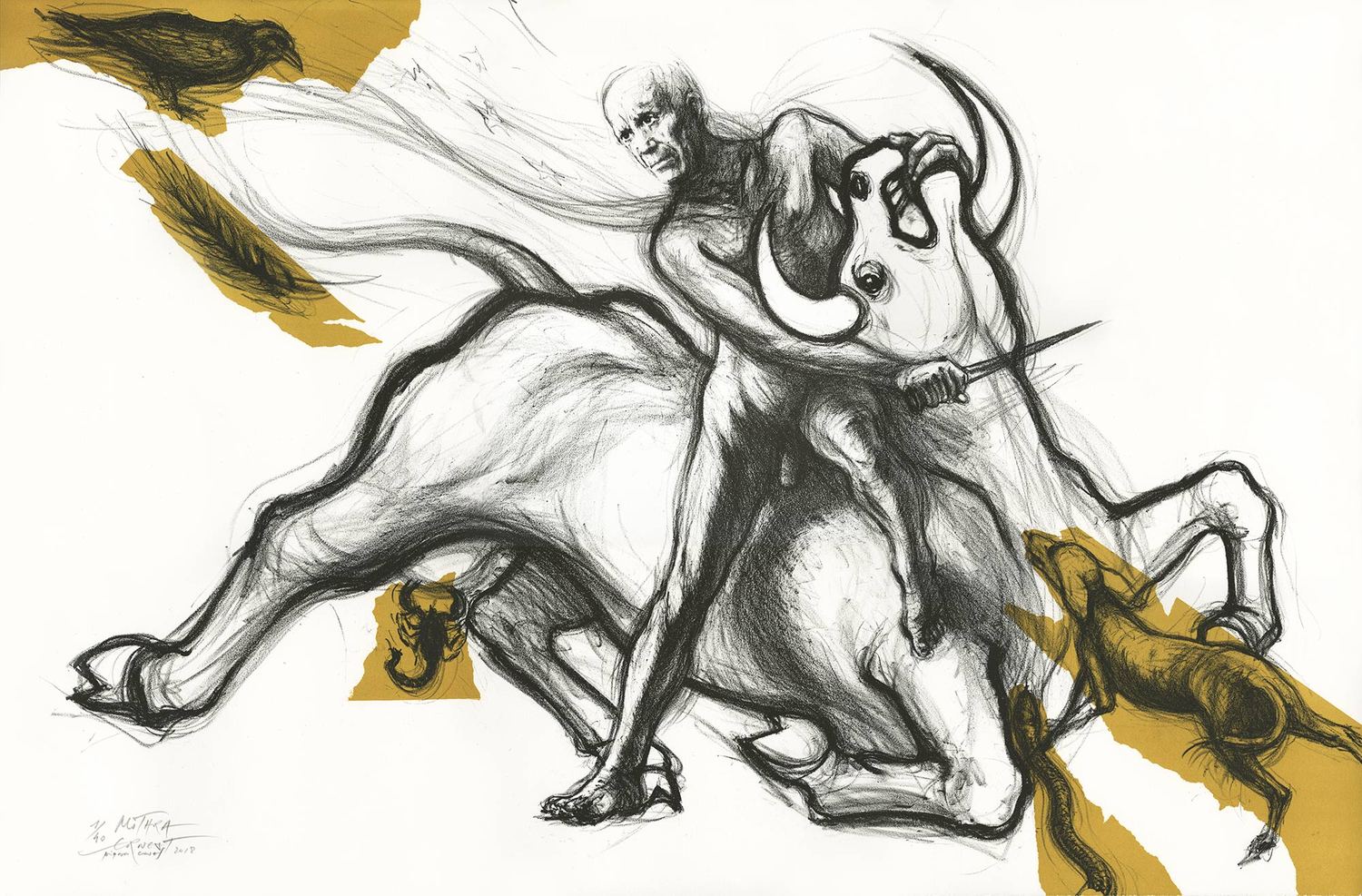
Two colors lithographic print on BFK Rives paper
Édition à 40 exemplaires
29.92 x 47.24 in (76 x 120 cm)
Réalisée à l'atelier de Stéphane Guilbaud, Paris
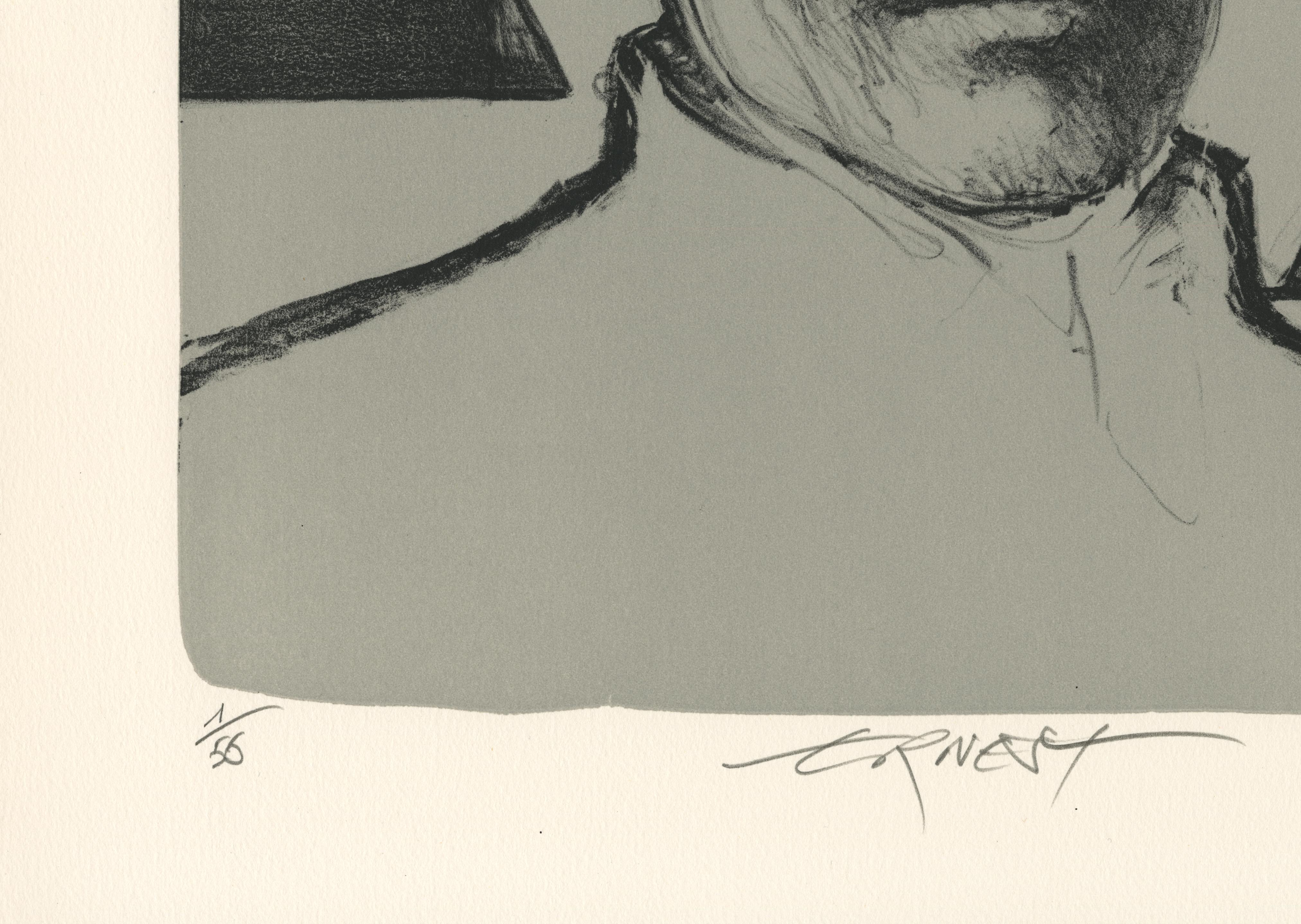
Signed, titled and numbered by the artist
Ernest PIGNON-ERNEST (Ernest Pignon, dit) VICTOR SEGALEN, 2022
Lithographie en 2 couleurs super papier d'ArchesEdition numérotée à 55 exemplaires
20.47 x 16.14 in (52,5 x 41 cm)
Imprimée sur les presses de l'atelier Stéphane Guilbaud, Paris